What is sinusitis, and who is endoscopic sinus surgery for?
The sinuses are air-filled spaces inside the facial bones that open into the nasal cavity through small openings. When these openings swell or become blocked, the sinuses can no longer ventilate and drain properly; the resulting inflammation is called sinusitis.
Sinusitis often follows a cold and settles within a few weeks. When symptoms last longer than twelve weeks, it is called chronic sinusitis. Chronic sinusitis sometimes occurs together with nasal polyps, and a deviated septum, enlarged turbinates or allergies can make it worse.
Medication is the foundation of treatment for chronic or frequently recurring sinusitis. Endoscopic sinus surgery is considered for selected patients whose symptoms persist despite appropriate treatment given for a sufficient period, and whose examination and CT scan show blocked sinus openings or polyps. Some complicated forms of sinusitis may also need surgical assessment.
Which symptoms should be assessed?
The following complaints call for an ENT examination, especially when several occur together and have lasted for a long time:
- Long-lasting nasal blockage
- Thick, discoloured nasal discharge or postnasal drip
- Pressure or pain in the face, forehead, around the eyes or cheeks
- Reduced sense of smell
- Sinus infections recurring several times a year
- Headache that worsens when bending forward, bad breath, persistent tiredness
Examination and diagnosis
Assessment begins with questions about how long and how often symptoms occur, which medicines have been tried and any history of allergy. After the front of the nose is examined with a light, a thin endoscope is used to view the inside of the nose, the area where the sinuses drain, any discharge and any polyps in detail.
A CT scan plays an important role in chronic sinusitis. It shows which sinuses are affected, how extensive the disease is, and how the sinuses relate to neighbouring structures such as the eye and the skull base. For patients being considered for surgery, these images form the basis of the surgical plan.
Allergies, asthma and other related conditions are also taken into account. When needed, allergy testing or joint assessment with other specialties may be arranged.
Treatment options: medication first
In many patients with chronic sinusitis, symptoms can be controlled with medical treatment. Regular saline rinses, steroid nasal sprays recommended by your doctor, antibiotics and other medicines when considered necessary, and allergy treatment are all part of this approach.
The effect of treatment is reviewed at a follow-up visit after a set period. If symptoms persist despite adequate treatment, the CT scan shows closed sinus openings, or polyps are blocking the nose, surgery is discussed.
Surgery does not replace medical treatment; most patients still need rinses and sprays for some time afterwards. The aim of surgery is to create conditions in which the sinuses ventilate better and medicines can reach them more easily.
How is the operation performed?
Endoscopic sinus surgery is usually performed under general anaesthesia. Its length depends on how many sinuses are involved and how extensive the disease is; it generally takes from one to a few hours. The exact duration is determined at the consultation.
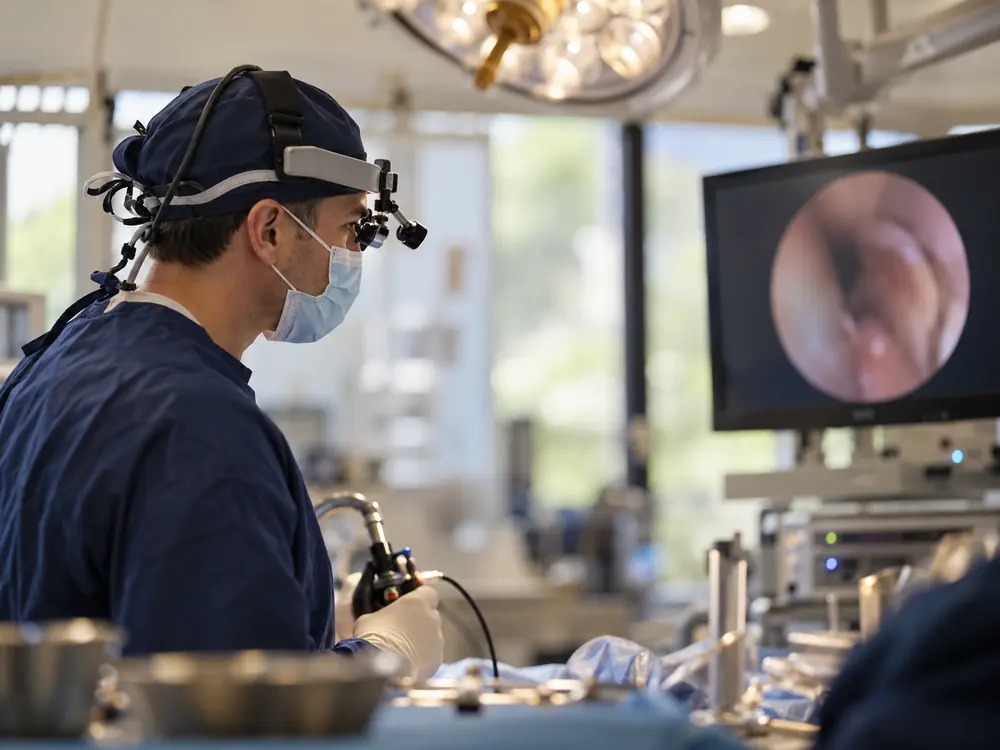
A thin camera (endoscope) is passed through the nostril and the whole procedure is carried out inside the nose, with no external incision on the face. Narrowed or closed sinus openings are widened and polyps and inflamed tissue are cleared, while healthy tissue is preserved as much as possible.
If a deviated septum or enlarged turbinates are interfering with sinus ventilation, septoplasty and turbinate reduction can be done in the same operation. Packing or dissolvable material may be placed in the nose at the end, depending on the patient. Most patients go home the same day or the following day.
Recovery timeline
In sinus surgery, recovery is as important as the operation itself. Saline rinses and the cleaning done at follow-up visits help keep the sinus openings open. The timeline below is a general guide.
- Day 1A feeling of fullness, mild oozing and mouth breathing are expected. Rest with your head raised and take the medicines you have been prescribed.
- First weekAny packing is removed at a check-up. Saline rinses begin. Avoid blowing your nose, lifting heavy objects and bending forward. Most people can return to desk work after about a week.
- 2–4 weeksAt follow-up visits, crusts and secretions inside the nose are cleaned with an endoscope. Blockage and discharge gradually decrease. Exercise and flying wait for your doctor’s advice.
- 1–3 monthsThe lining of the sinus openings heals. For most patients, changes in breathing and sense of smell become clearer during this period. Patients with polyps may need regular follow-up and spray treatment for a long time.
Risks and how they are reduced
Endoscopic sinus surgery is a commonly performed operation, but like any surgery it carries risks. Because the sinuses lie next to the eye and the skull base, serious complications involving these areas have been described; they are rare. Careful review of the CT scan before surgery and a thorough understanding of each patient’s anatomy are key steps in reducing these risks.
- Bleeding: medicines that can increase bleeding are reviewed beforehand; following post-operative instructions is important.
- Adhesions and re-narrowing of sinus openings: reduced by regular rinsing and follow-up cleaning.
- Infection: uncommon; treated with medication when necessary.
- Recurrence of disease: possible, particularly in patients with polyps or allergies, which is why follow-up and medical treatment continue after surgery.
- Rare complications around the eye or skull base: careful CT-based planning and preservation of healthy tissue matter here; these are discussed with you separately before surgery.
Dr. Karataş’s approach
Sinus surgery and endoscopic sinusitis surgery are among Op. Dr. Hasan Karataş’s areas of practice. His approach puts a clear diagnosis and an adequate trial of medical treatment first; surgery is recommended for patients whose examination and CT findings support it.
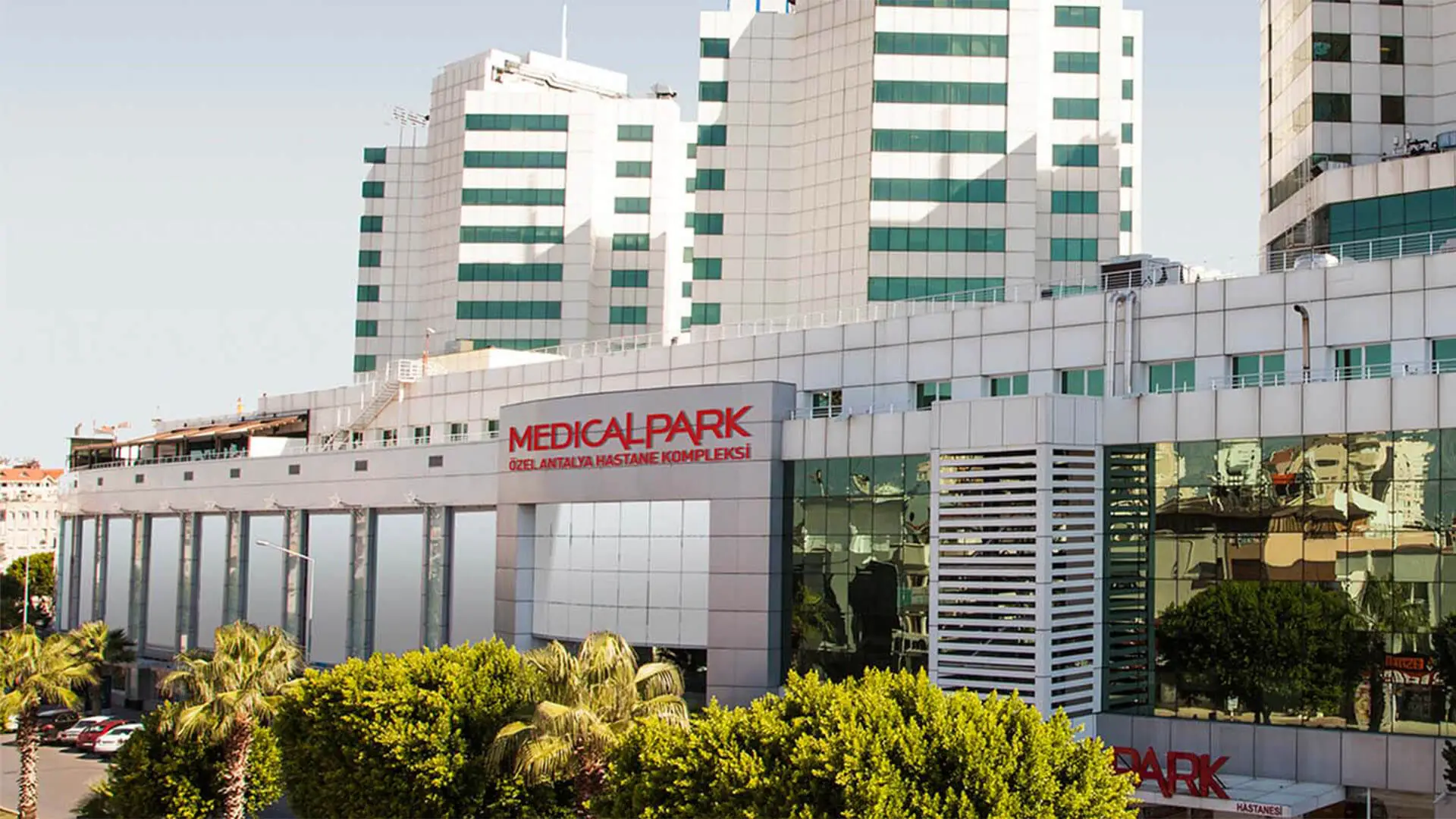
With sinus complaints, the septum, turbinates and allergies are assessed together. Operations take place at Medical Park Antalya Hospital, and post-operative check-ups and nasal care are planned as an integral part of treatment.
Frequently asked questions
Does every case of sinusitis need surgery?
Is a CT scan necessary before surgery?
Do nasal polyps come back after surgery?
Why are cleaning visits needed after surgery?
Will my sense of smell come back?
Can septoplasty and sinus surgery be done together?
The information on this page is for general guidance only; an examination is required for diagnosis and treatment. Results vary from person to person.